













Feeding a Dog With a Problem: Find the Right Guide by Symptom

The right food for a dog with a problem depends on which problem it is. A loose stomach, itchy skin, a yeasty smell, a suspected allergy, a dog who won't eat, and a dog who's over or under a healthy weight all call for different approaches, even though they can look similar from across the kitchen. Use the symptom list below to find the specific guide for what your dog is actually dealing with, and call your vet first for anything sudden, severe, or lasting more than a day or two.
My dog has loose stool, gas, or an upset stomach. What do I feed?
Start with what's easy to digest: a bland, low-fat diet for a short-term flare-up, and an everyday food with high-quality protein, moderate fat, and no unnecessary fillers if the sensitivity is ongoing. Sudden diet changes are one of the most common triggers for stomach upset in dogs, so any switch should be gradual. The full breakdown, including a day-by-day bland-diet plan and what makes a food "easy to digest" in the first place, is in What to Feed a Dog With an Upset or Sensitive Stomach.
My dog has itchy, flaky, or inflamed skin. What do I feed?
Skin reactions are usually either environmental or food-driven, and the only reliable way to tell the difference is a vet-guided elimination diet built around a single, named protein. There's no one food that's "best" for every itchy dog, because the right recipe depends entirely on what's actually triggering the reaction. See Best Dog Food for Skin Allergies & Itchy Skin for the elimination-diet walkthrough and the ingredients most often behind a reaction.
My dog smells yeasty or has recurring ear or paw issues. What do I feed?
Food won't cure a yeast infection on its own, that needs a vet diagnosis and usually an antifungal treatment plan, but diet plays a real supporting role. Yeast overgrowth is often linked to gut balance and a diet heavy in refined carbohydrates, so a fresh, low-starch, protein-forward food can support your dog's system while you and your vet handle the infection itself. Full detail is in What to Feed a Dog With a Yeast Infection.
I think my dog has a food allergy. What does "hypoallergenic" actually mean?
"Hypoallergenic" isn't a regulated term, and there's no single hypoallergenic brand or recipe that works for every dog, because every dog's trigger is different. What actually helps is a short, transparent ingredient list you can use to run a real elimination diet: one named protein at a time, tracked over several weeks. Hypoallergenic Dog Food: What Actually Helps walks through how an elimination diet works and how to read an ingredient label for it.
My dog is a picky eater and won't eat. What do I feed?
Most picky eating comes down to one of three things: the food doesn't smell or taste like much, the feeding routine has accidentally trained the behavior, or something medical is going on. The fastest fix that doesn't require a vet visit is a high-moisture, aromatic food introduced gradually, or used first as a topper on what your dog already eats. Best Dog Food for Picky Eaters: What Actually Works covers real switching stories and what to do if refusal comes with other symptoms.
My dog needs to lose or gain weight. What do I feed?
Start by checking body condition, not just a number on the scale, since two dogs at the same weight can be carrying it very differently. From there it's measured portions and a controlled, gradual calorie change in either direction, not a sudden overhaul. How to Help Your Dog Lose or Gain Weight: A Body Condition Guide has the body condition score chart and safe pacing for both directions.
Which guide do I need? A quick reference
| Symptom | What's often behind it | Fresh-food approach | Full guide |
|---|---|---|---|
| Loose stool, gas, occasional vomiting | Sudden diet change, low digestibility, sensitivity | Bland diet short-term; easy-to-digest food day to day | Upset or sensitive stomach |
| Itchy, flaky, or inflamed skin | Environmental or food allergy | Single-protein elimination diet | Skin allergies & itchy skin |
| Yeasty odor, ear or paw issues | Yeast overgrowth tied to gut and diet | Low-starch, protein-forward food alongside vet treatment | Yeast infection |
| Suspected food allergy, unclear trigger | Food sensitivity to a specific ingredient | Elimination diet, one named protein at a time | Hypoallergenic dog food |
| Won't eat, walks away from the bowl | Palatability, learned behavior, or medical | High-moisture, aromatic food; gradual intro or topper mode | Picky eaters |
| Overweight or underweight | Portion size, activity, calorie density | Measured portions from a body condition score | Weight: lose or gain |
In A Pup Above's own review analysis (Okendo export, 1,212 approved reviews as of August 2026), picky eating was the single largest theme customers mentioned, at 281 mentions, more than three times the next-largest topic; itching and skin issues came up 72 times, and digestion, stool, and diarrhea combined for 59.1 That's why those three guides above go deepest: they're the problems real A Pup Above customers actually write in about.
Making any switch easier on your dog
Whichever guide applies to your dog, the food change itself matters as much as what you're switching to. A fast, all-at-once swap can trigger the exact stomach upset you're trying to solve, even when the new food is a good fit. How to Switch Your Dog's Food covers a gradual transition schedule that works alongside any of the symptom guides above.
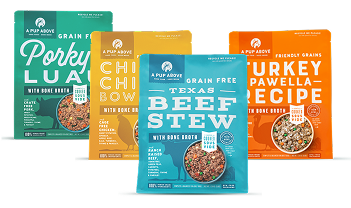
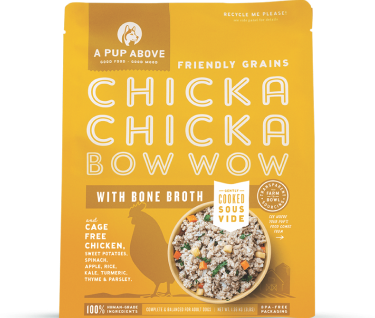
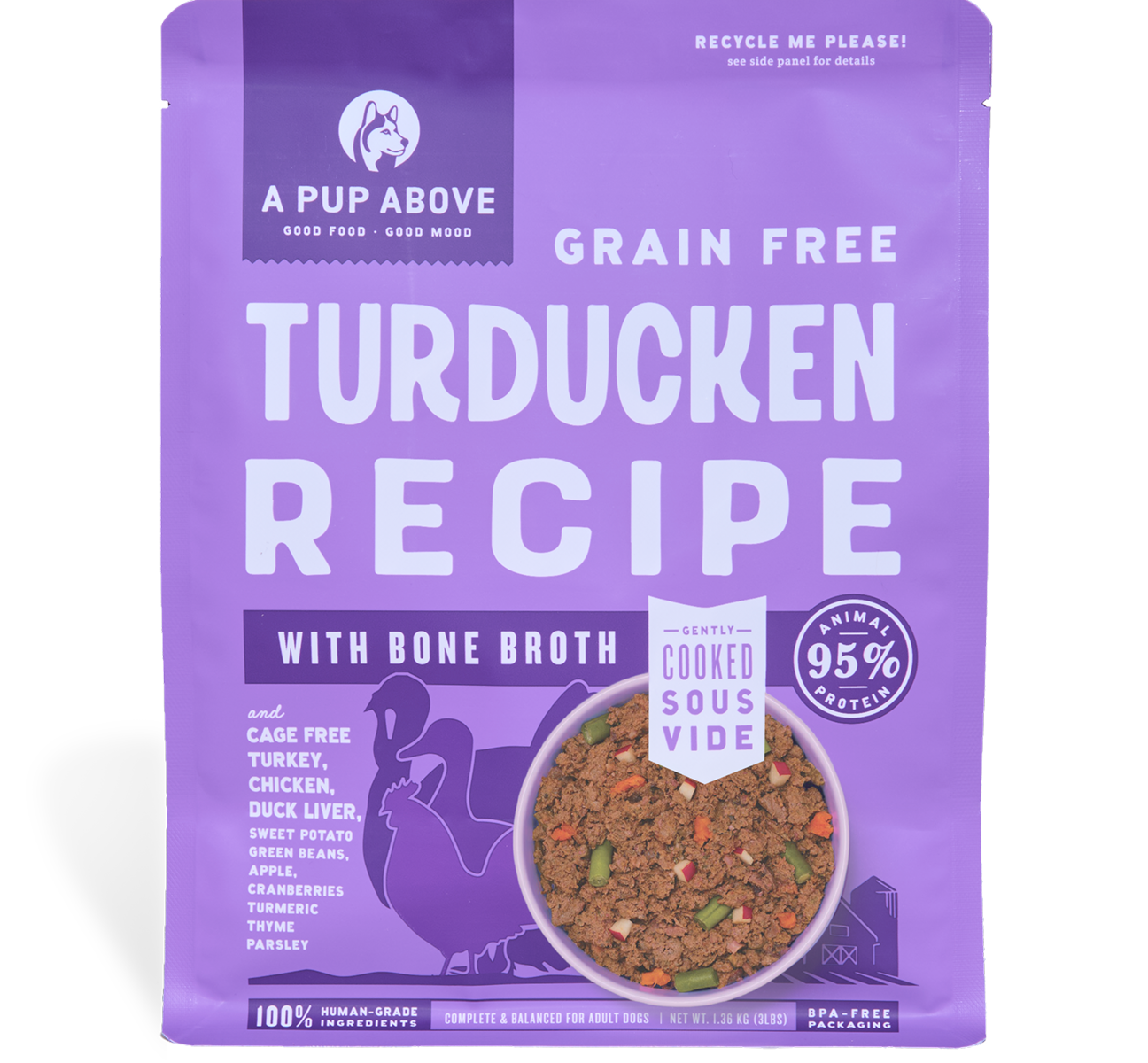
A Pup Above's Fresh Dog Food recipes are human-grade and gently cooked in small batches, available across seven recipes so you can start with a single named protein if you're narrowing down a trigger. If you're not sure where to start, the Sampler Pack lets your dog try more than one recipe before you commit to a size, and the Sensitive Stomach collection groups the recipes built around easier digestion.
Frequently asked questions
How do I know if it's the food or something else?
Watch the timing. If symptoms started right after a food change, a new treat, or a new environment (season, new household product, new grooming routine), diet or environment is a reasonable first place to look. If symptoms came on with no clear trigger, or if your dog is otherwise acting sick (lethargy, fever, repeated vomiting), see a vet before changing anything.
Can I fix these problems with home remedies alone?
Sometimes, for a mild, short-term issue like an occasional upset stomach. Chronic or recurring symptoms, whether it's ongoing itching, repeated yeast issues, or persistent refusal to eat, are worth a vet visit to rule out a medical cause before you spend weeks testing foods on your own.
Should I switch my dog's food all at once?
No. A gradual transition, mixing increasing amounts of the new food with the old over about a week, gives your dog's digestive system time to adjust and makes it much easier to tell whether a new symptom is from the new food or just the switch itself. See How to Switch Your Dog's Food for a full schedule.
What if my dog has more than one symptom at once, like itching and an upset stomach?
That combination is common, since skin and gut health are closely connected in dogs. Start with the guide for the more severe or longer-lasting symptom, and mention both to your vet if you go in for a diagnosis. An elimination diet built around a single named protein, as described in the allergies and skin guides, tends to address overlapping food-related symptoms at once.
Does A Pup Above make a food for a specific medical condition?
No. A Pup Above's recipes are fresh, human-grade, gently cooked whole foods, not therapeutic or prescription diets. If your dog has a diagnosed condition, like a food allergy severe enough to need a prescription hydrolyzed diet, or a disease requiring a specific therapeutic formula, follow your veterinarian's prescription. The guides above are for the common, everyday symptoms most dogs deal with at some point, and they're not a substitute for veterinary care.
When should I stop troubleshooting and call the vet?
Any time symptoms are severe, sudden, or lasting more than a day or two: blood in stool or vomit, repeated vomiting, lethargy, significant weight loss, labored breathing, or a dog who stops eating or drinking entirely. Each guide above has its own specific red flags, but "when in doubt, call" applies across all of them.
Sources
- A Pup Above, internal review analysis of the Okendo customer review export, 1,212 approved reviews collected 2018-2026, pulled August 13, 2026. ↩